(30)
Pipe
Also written loop pipe · tubing
Where it is first named
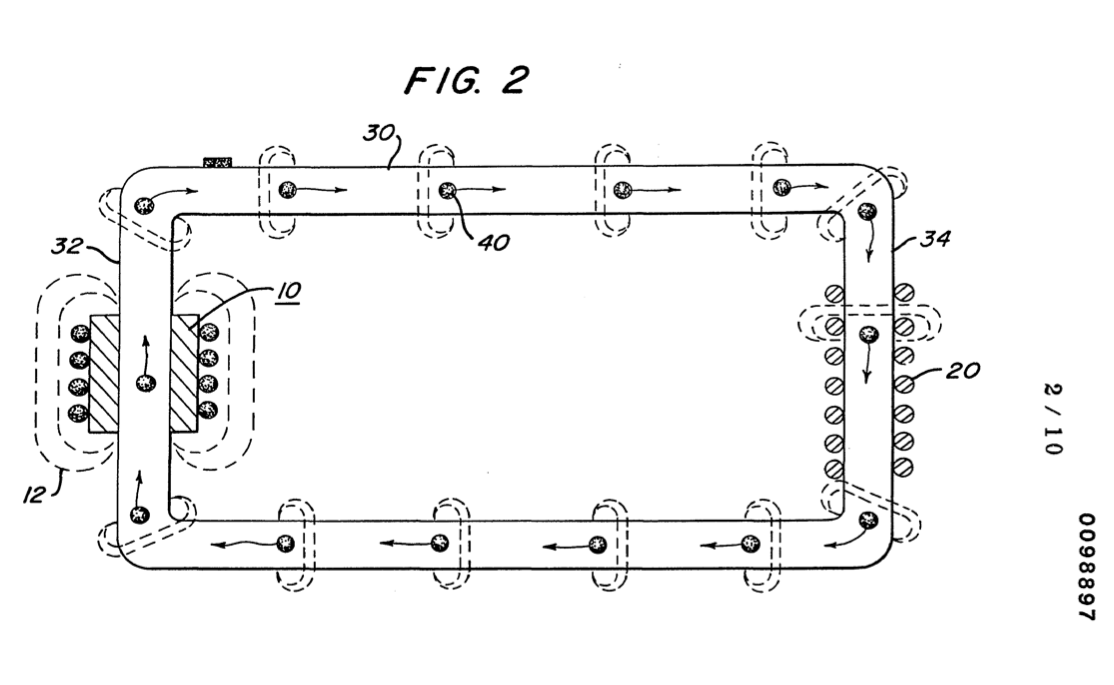
The magnetic accelerator assembly comprises primary windings 12 a magnetic core 14 and voltage taps 16. The primary windings are positioned around end 32 of closed loop pipe 30 or tubing of non-magnetic material.
How it is written
- (pipe 30) 3×
- (tubing 30) 3×
- (loop pipe 30) 2×
Drawings 4
-
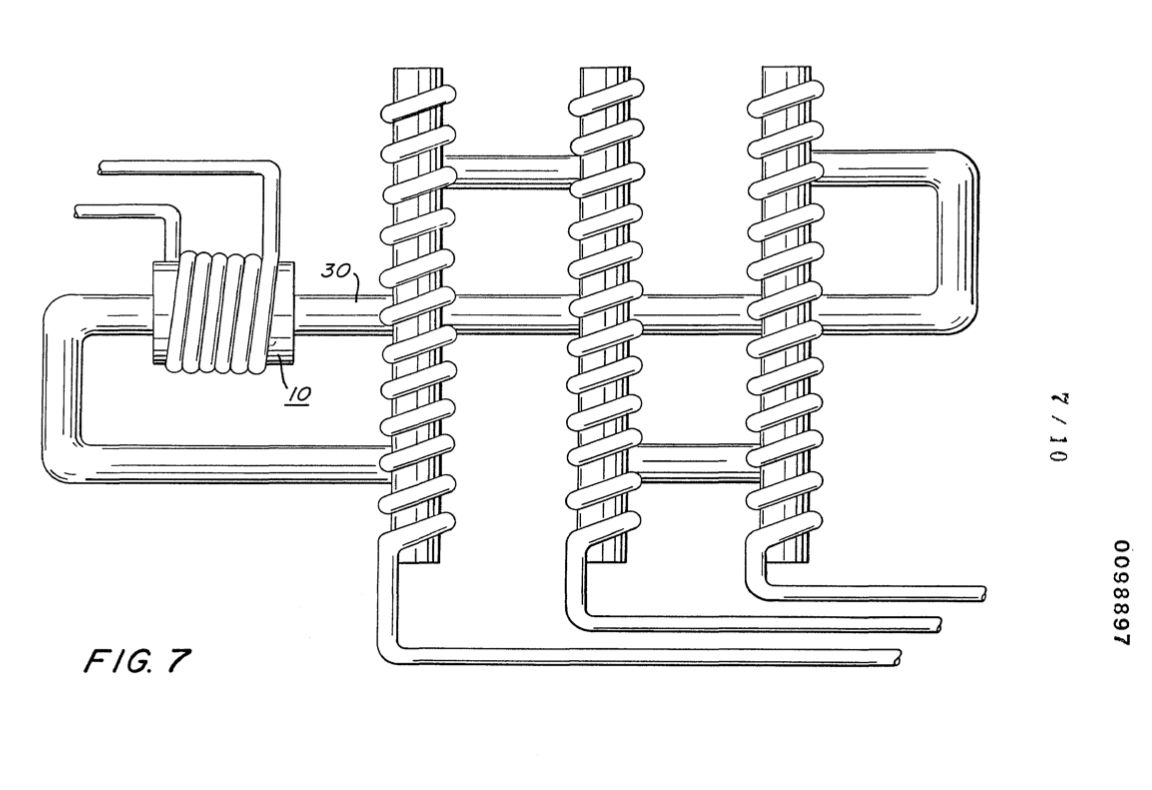
Figure 7 is another alternative arrangement in a preferred illustration of the invention. · Electrical Generator Utilizing Magnetized Particles
-
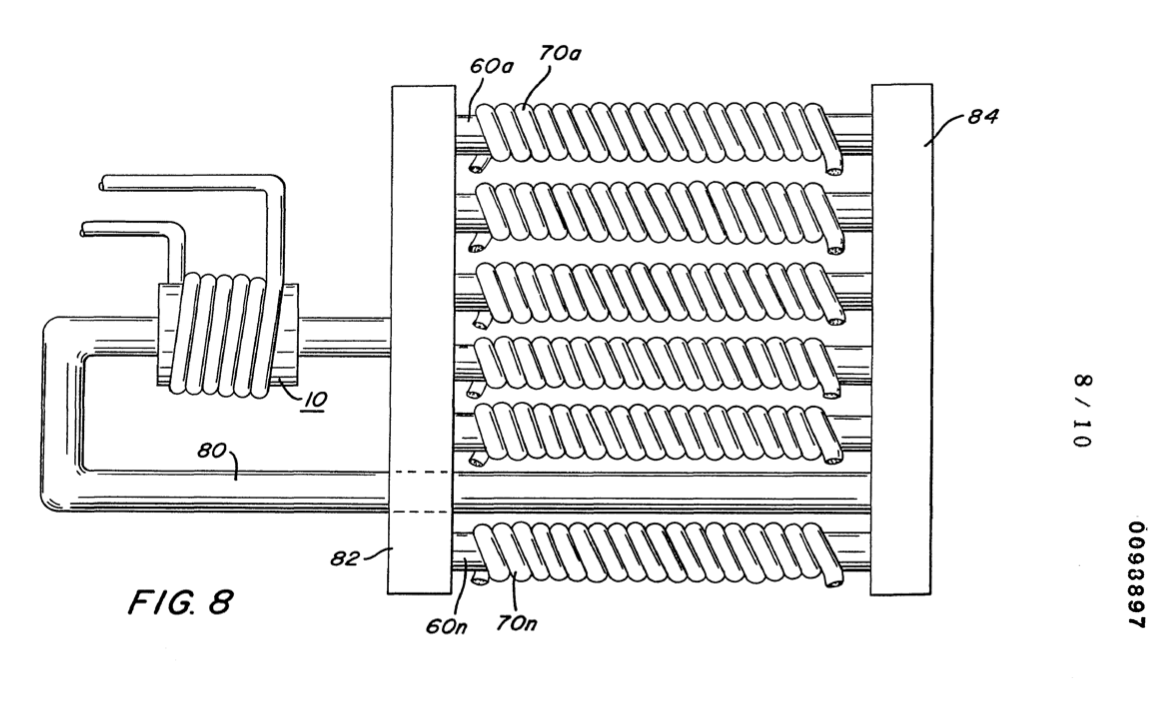
Figure 8 is another alternative arrangement in a preferred illustration of the invention. · Electrical Generator Utilizing Magnetized Particles
-
The figure it sits on · Electrical Generator Utilizing Magnetized Particles
-
Beside the passage · Electrical Generator Utilizing Magnetized Particles
Where it is named · 8
Electrical Generator Utilizing Magnetized Particles 8×
-
loop pipe (loop pipe 30)
The magnetic accelerator assembly comprises primary windings 12 a magnetic core 14 and voltage taps 16. The primary windings are positioned around end 32 of closed loop pipe 30 or tubing of non-magnetic material.
-
loop pipe (loop pipe 30)
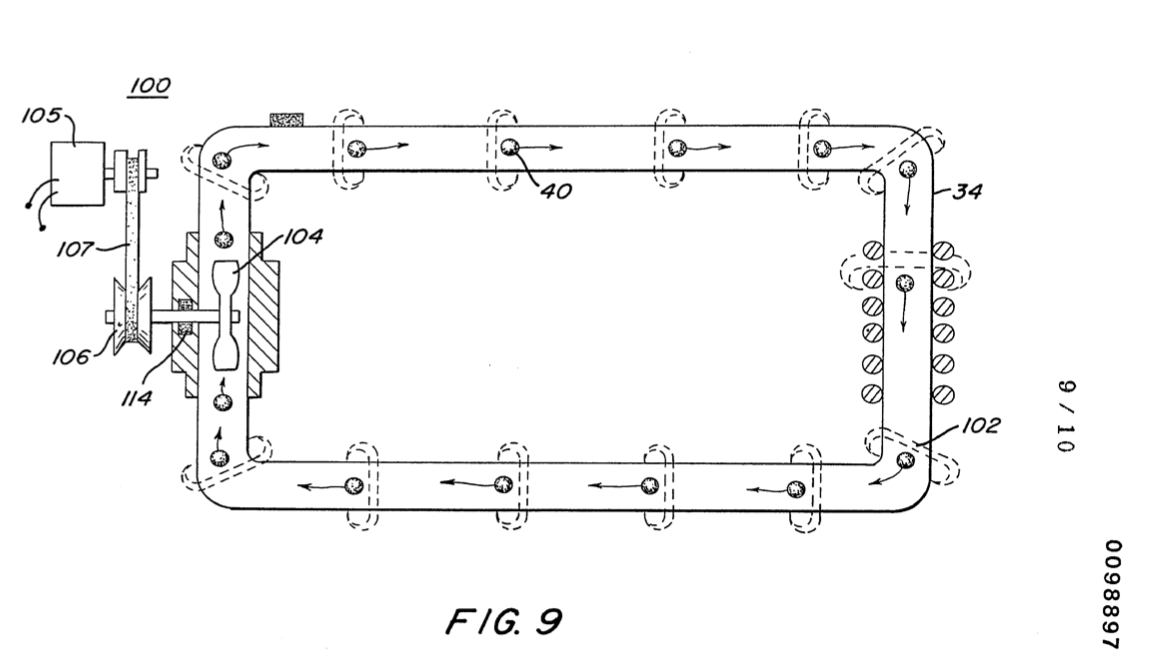
At the opposite end 34 of the closed loop pipe 30 there is positioned thereon secondary windings 20.° A voltage tap 22.on secondary winding 20 permits the utilization of the voltage induced therein.
-
pipe (pipe 30)
Within the pipe 30 there is encapsulated a substantial quantity of magnetic elements 40 of Figure 2. …
-
tubing (tubing 30)
However, in this embodiment the tubing 30 is a continuous closed loop but in a series, parallel configuration. …
-
tubing (tubing 30)
… That is electrically there are three secondary windings with three outputs whereas the tubing 30 is in series through the three secondary windings. …
-
pipe (pipe 30)
Again, the pipe 30 is described as a non-magnetic pipe. There are certain non-magnetic pipes that would not be operable in the present invention. That is, the pipe 30 must be capable of passing magnetic lines of force; and that it is these magnetic lines of force that traverse the inductive field of the secondary windings 20 to induce a voltage/current therein.
-
pipe (pipe 30)
Again, the pipe 30 is described as a non-magnetic pipe. There are certain non-magnetic pipes that would not be operable in the present invention. That is, the pipe 30 must be capable of passing magnetic lines of force; and that it is these magnetic lines of force that traverse the inductive field of the secondary windings 20 to induce a voltage/current therein.