(69)
Excitor Plate
Also written voltage zones · voltage zone
Where it is first named
Voltage Intensifier Circuit (70) is an exact duplicate of interfacing circuit (60) and performs in like manner...except duty pulse (48) is applied to a second Excitor Plate (69) exposed to the opposite side of the same water molecule.
How it is written
- (69) 4×
- (61/69) 1× with (61) Excitor Plate
Drawings 3
-
Voltage Intensifier Switching Circuit · Steam Resonator
-
The figure it sits on · Steam Resonator
-
Beside the passage · Steam Resonator
Where it is named · 5
Steam Resonator 5×
-
Excitor Plate (69)
Dual pulsing circuit (50) linked to said Voltage Intensifier Switching Circuit (AA) simply switches or alternates a unipolar positive voltage pulse from one Excitor Plate (61) to another Excitor Plate (69) in a sequential manner to produce superheated steam by way of voltage deflection of the water molecule.
-
voltage zone (69)
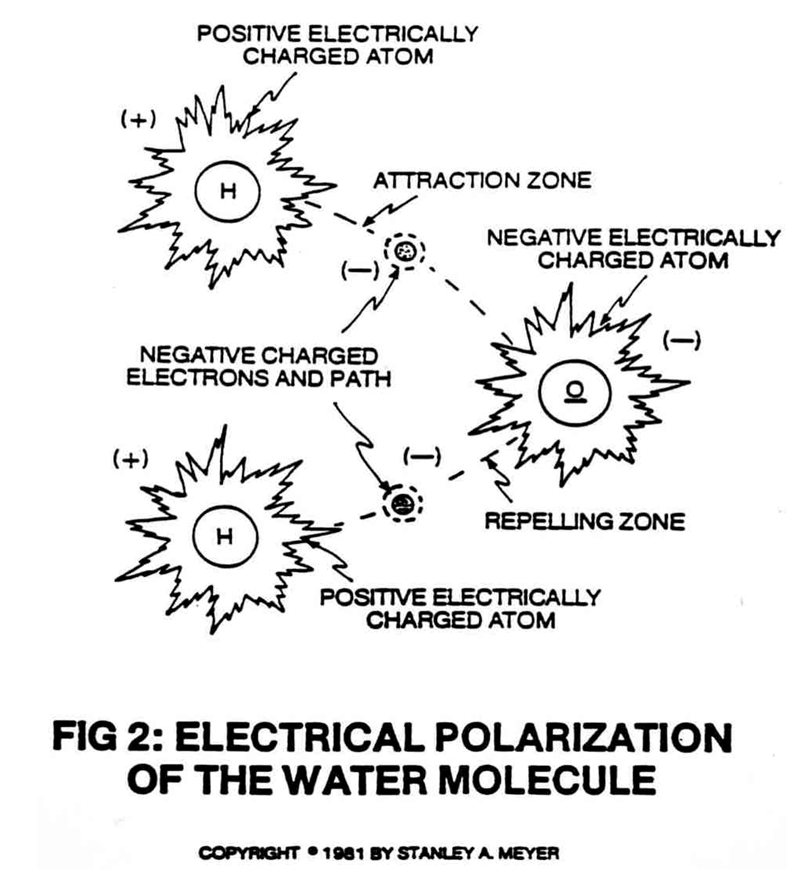
Switching "OFF" said electrical voltage field (62) while switching "ON" said positive electrical voltage field (71) now causes said water molecule (72) to "deflect or move" in opposite direction towards said voltage zone (69)...colliding with other water molecules undergoing the same voltage deflection process...generating heat due to particle impact, as illustrated in Figure 32.